
Segment & Comparison
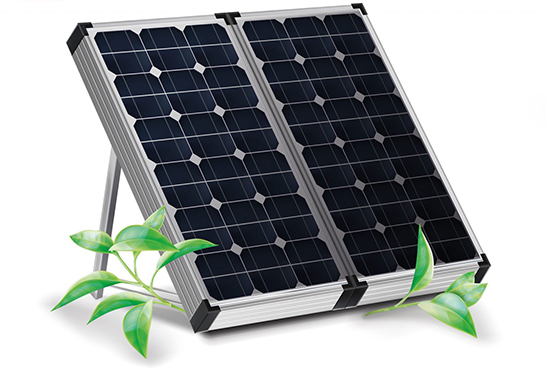
On-Grid Solar power system
The on-grid solar power system is a type of solar energy system that is designed to be connected to the grid in Australia. It consists of solar panels that are installed on the roof of a building or the ground, an inverter that converts the direct current (DC) electricity produced by the panels into alternating current (AC) electricity, and a meter that measures the amount of electricity produced and consumed by the system. The excess electricity that is generated by the system is fed back into the grid, while the building continues to draw electricity from the grid when the solar panels are not producing enough power. This type of solar power system is a popular choice in the country because it allows homeowners and businesses to generate their electricity while also taking advantage of the reliability and stability of the grid.
OFF- Grid Solar power system
An off-grid solar power system is a type of solar energy system that is designed to operate independently from the grid. It consists of solar panels that are installed on the roof of a building or the ground, an inverter that converts the direct current (DC) electricity produced by the panels into alternating current (AC) electricity, and a battery bank that stores excess electricity for use when the solar panels are not producing enough power. Off-grid solar power systems are typically used in remote areas where it is not practical or economical to connect to the grid, or by individuals who want to be completely self-sufficient and independent from the grid.
One important consideration with off-grid solar power systems is that they require careful planning and design to ensure that they can meet the electricity needs of the building or home. It is also important to have a backup plan in case the system is not producing enough power, such as a generator.
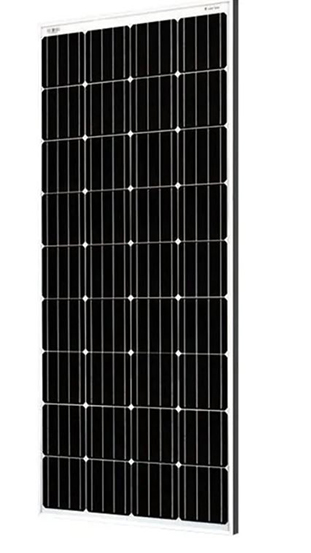
Comparison between the two systems
On-grid systems are connected to the grid and can send excess electricity back into the grid, while off-grid systems are not connected to the grid and must store excess electricity in a battery bank for use when the solar panels are not producing enough power.
On-grid solar systems rely on a stable and consistent supply of electricity from the utility grid to supplement the solar energy produced during periods of low sunlight. In contrast, off-grid solar systems are entirely reliant on the energy generated by the solar panels and stored in the batteries.
On-grid systems are typically simpler and easier to install, as they do not require the addition of a battery bank or backup power source.
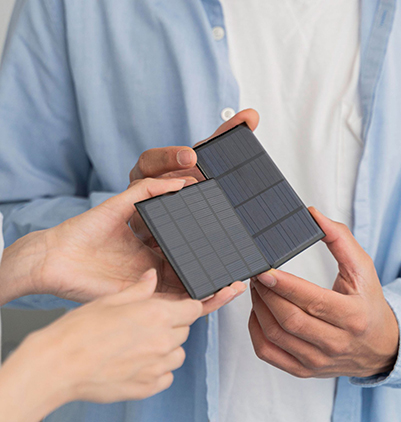
On-grid systems may be cheaper to install initially, but off-grid systems may be more cost-effective over the long term, particularly in areas where the grid is not readily available or electricity prices are high
Off-grid systems offer greater independence from the grid, but they also require more careful planning and design to ensure that they can meet the electricity needs of the building or home.
On-grid systems rely on the grid for backup power, while off-grid systems must have their backup power source, such as a generator.